A cup of chocolate, five ways
Long before it was a bar, chocolate was a drink. How people around the world still pour it — thick, frothy, spiced or sweet.
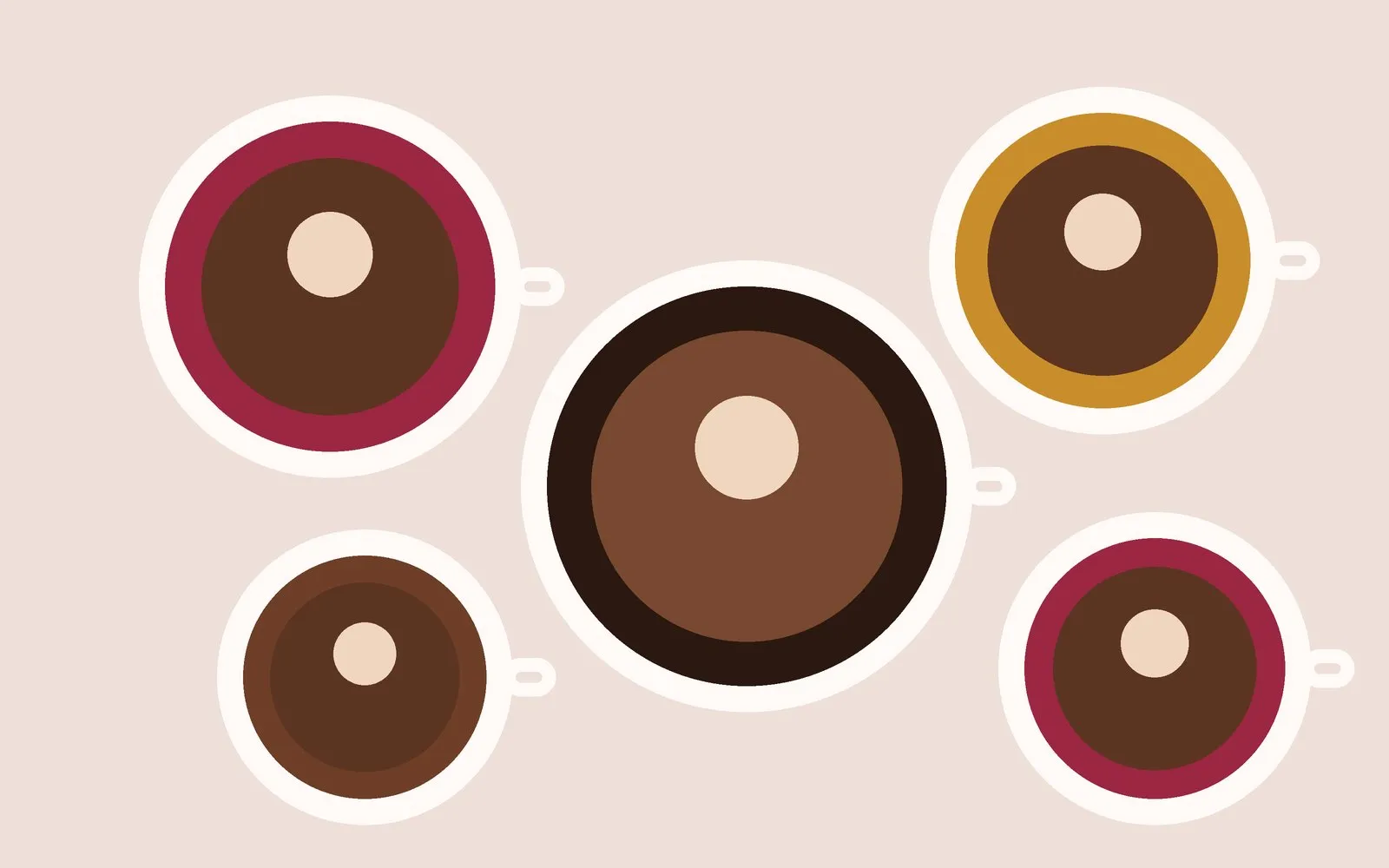
For most of its history, chocolate was something you drank. The bar is a newcomer; the cup is the original.
Mesoamerica: the froth matters
In Mesoamerica cacao was ground and mixed with water, often with chilli, maize or flowers, and poured from a height between vessels to raise a foam. The froth was considered the best part.
Mexico: cinnamon and a wooden whisk
In Mexico, tablets of chocolate with sugar and cinnamon are melted into hot milk or water and whipped with a carved wooden molinillo, spun between the palms.
Spain: thick enough to dip
Spanish chocolate a la taza is dark and thick — thick enough to hold a churro upright for a moment. It is breakfast, or the end of a very long night.
Italy: almost a pudding
In Turin and across northern Italy, cioccolata calda can be so dense you eat it with a spoon. Turin’s bicerin layers it with espresso and cream in a small glass.
At home
And then there is the cup you make yourself on a cold evening: milk, a few squares of a good bar, a pinch of salt. Not a tradition yet. Give it time.